Data Center Info
For your information, we are including a recap of some of the issues surrounding data centers and resources for further study.
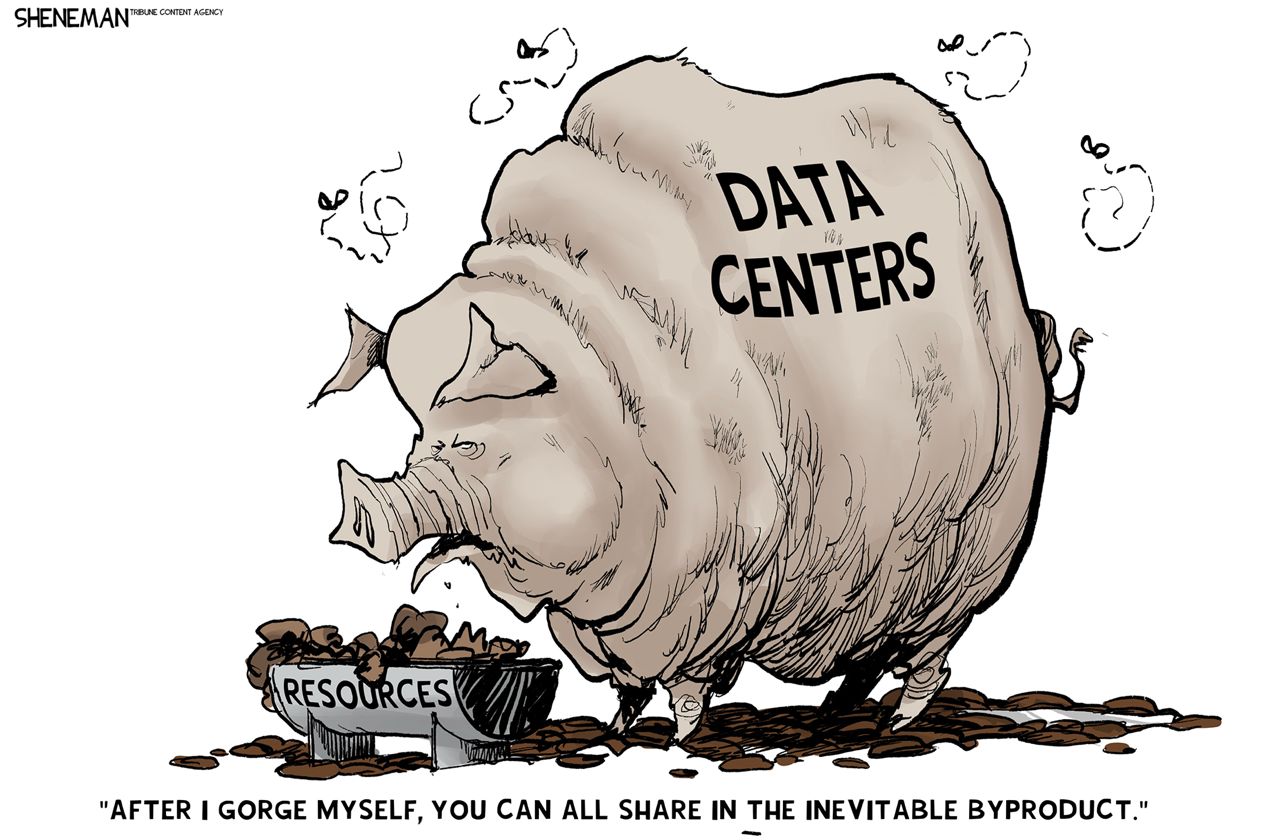
• Data centers contribute to pollution. They primarily draw electricity from the local grid, so their climate and air-pollution footprint depend heavily on what fuels that grid. In Pennsylvania, natural gas is the largest source of in-state electricity generation, with coal and other fossil sources contributing additional power. As a result, new data centers’ electricity demand is likely to rely heavily on non-renewable energy sources.
• Since uninterrupted power supply is critical in a data center, the use of backup diesel generators as a quick alternative source of power is common. Though generators are only meant to be used in an emergency, they can pose additional concerns for carbon emissions and noise pollution.
• Data centers are also water hungry, which presents a separate and significant concern. Data centers generally rely on either water-intensive evaporative cooling or air-cooled systems to remove heat from servers and maintain safe operating temperatures. In evaporative systems, water circulates through cooling equipment to absorb heat, then is routed to cooling towers where a portion evaporates in the process. This evaporated water is effectively “consumed” because it is no longer available for local use. Data centers like to claim that the water they use is recycled, but that is not exactly true.
• Any data center in Morrisville would draw water from the Delaware River — an essential water supply for the 17 million people who rely on the Delaware River Basin. That source is already under strain: Bucks County has been under a state Drought Watch or Warning repeatedly since 2024, including as recently as this year. Years of recurring drought mean data center water consumption would worsen the problem and further disrupt the ecosystem that clean water depends on.
• Proponents of Data centers tout the creation of jobs as a benefit to the community. While data center projects can create substantial construction employment during multi-year buildouts, permanent onsite employment is far more limited. Once these centers are built, they can be maintained by a few workers, especially the smaller data centers which Morrisville would be looking at. And these workers would need to be highly qualified.
• Even data centers not in your neighborhood will increase utility costs. A single large data center focused on AI and cloud services can annually consume as much electricity as 100,000 households.
We already have huge data center being built in Falls Township. We are sure that you have read about the anger of the residents who felt that they were totally left out of the decision-making process.
The Common Myths that citizen can do nothing about data centers being built in their community is FALSE.
Pennsylvania communities like Morrisville and our state and local decision-makers have meaningful tools to prevent harmful outcomes and establish clear rules for data center development:
• At the state level, the legislature can establish statewide land-use standards and reporting rules and set guardrails on tax incentives
• At the local level, the Pennsylvania Municipalities Planning Code, which authorizes municipalities to adopt and enforce land-use ordinances, including zoning rules and performance standards, can be strengthened to guide where facilities can locate and what impacts they must mitigate.
PA local governments can:
• Require large property line setbacks and minimum distances from residential zones
• Enforce strict decibel limits
• Put laws in place requiring data centers to cover the costs of new electric transmission lines and other infrastructure needed to meet increased demand.
• Require data centers to report projected energy, water, and other resource demands
• Require developers to provide plans detailing how they will meet resource needs and to assess and describe the impact on the surrounding community: Especially for consumptive water use, which occurs when water used is not returned to the local supply
• Require impact assessments to evaluate effects on surface and groundwater levels in the areas around the data center.
If you want to delve deeper, visit https://connects.buckscounty.gov/data-centers